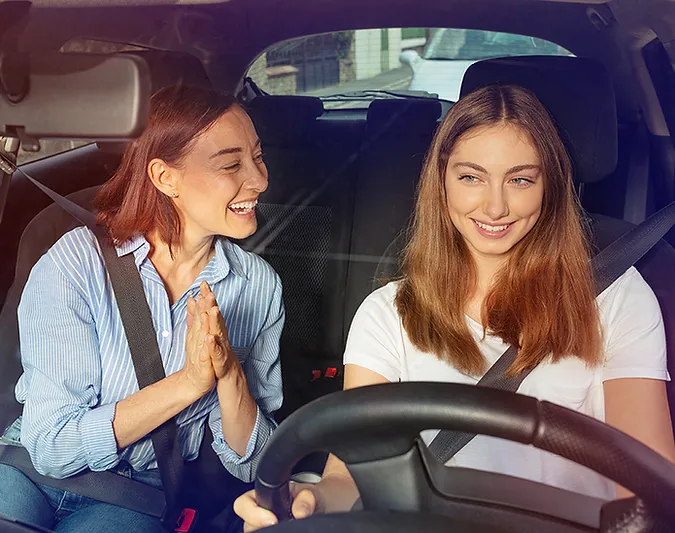
People usually treat the Texas DPS road test like one scary moment, though it is really a chain of small things stacked together. The driving matters, sure, but so do the appointment, the documents, and the vehicle you bring. Texas DPS says driver’s license offices handle services by appointment only, and the agency includes the driving skills test as part of the license process when it applies to you.
The appointment part gets underestimated pretty fast.
A lot of learners keep practicing and ignore scheduling until the last minute. Then they realize timing can become its own problem. Texas DPS has a dedicated road test scheduling page, which tells you right away that this is not something to leave loose and casual. When people search drivers ed near me, they are often trying to build a smoother path around that same issue, because regular local help makes appointment prep feel less messy.
The car you bring can stop everything cold.
This catches people more often than it should. Texas DPS says applicants must provide a vehicle for the road test, and it needs current registration and insurance. The teen provisional license page also says you must present proof of current registration and insurance for the vehicle you will use during the driving test. So the Texas DPS road test can go sideways before the examiner checks one turn or one stop sign.
Small documents turn into big headaches on test day.
People love to focus only on driving skills. Paperwork feels boring, so it gets ignored until the night before. Texas DPS has a requirements page and a Real ID document check tool because applicants still need the right documents for the appointment, and the tool also flags Impact Texas Drivers completion when it applies within the previous 90 days of the skills test. That is exactly the kind of detail that creates repeat trips when forgotten.
Local training usually makes practice more useful.
A nearby school or instructor often helps more than people expect. When someone searches drivers ed near me, they are usually trying to find repetition, convenience, and less wasted time. Local practice works because driving gets better through steady, boring habits, not random bursts of confidence. The Texas Driver Handbook is built around safe operation, traffic rules, and core driving behavior, which is basically a reminder that the test is about controlled habits more than style.
The Impact Texas step sneaks up on people.
This one annoys plenty of learners because it feels separate from actual driving. Texas DPS says the Impact Texas Drivers certificate must be presented before the driving skills test, and the third-party testing program page also ties ITD completion to the skills testing process. So if you are preparing for the Texas DPS road test, this is not some optional extra detail floating around in the background. It can directly affect whether testing moves forward.
Conclusion
The road test usually feels bigger in your head than it does once the simple pieces are handled properly. On myfirstdrive.net, learners should focus on appointment timing, correct documents, local practice support, vehicle readiness, and any required ITD steps before test day arrives. Those practical things matter more than last-minute panic or dramatic advice from people who barely remember their own exam. A steady plan usually works better than rushed confidence. Review the official Texas requirements carefully, practice real driving habits, and schedule your next step with a clear professional approach.
