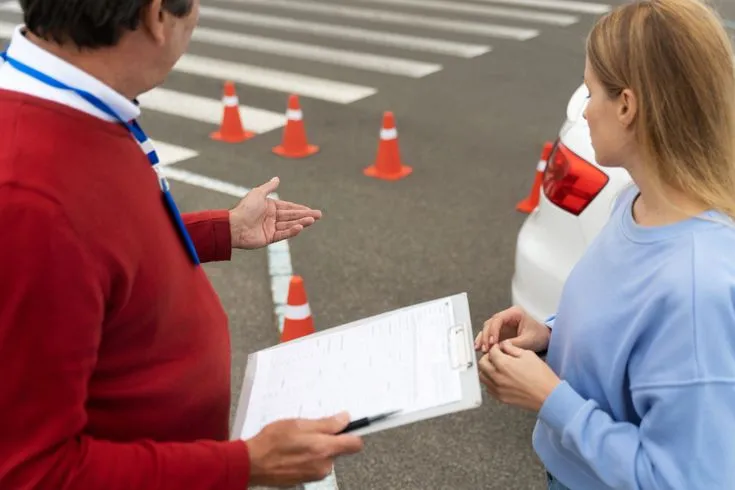
Learning to drive is more than just reading the rules of the road or sitting in the driver’s seat. Newbies require knowledge and experience to get comfortable making decisions on the road. Driver’s education and supervised driving lessons can link these two components of the learning process. This can be a good way for students who want to try drivers ed sugar land to get structure before they start driving in more complex traffic scenarios on their own.
Build a Strong Knowledge Base
The first time a learner drives, they will be introduced to concepts prior to their regular driving time. There are many aspects of traffic signs, signals, right-of-way rules, defensive driving, lane markings and safe driving habits that are important to understand.
It is easier to learn these topics first and then learn the practicals. If a learner has insight into the need for a specific action, the instructor can spend more time assisting the learner to execute that action properly.
The aim is not just to learn the information for an exam. Students should be aware of the application of rules to real-life situations, and the importance of making responsible decisions when operating on the road.
Turn Knowledge into Practice
It’s very different to read about driving than to actually do it. Learners are able to put what they have learned into practice and are guided.
In their driving lessons, novice drivers can practice steering, braking, accelerating, turning, parking, changing lanes, and spacing. An instructor may also observe habits that a learner may not be able to observe on his/her own.
This instant feedback can help to make practice more productive. Students can avoid making the same mistake over and over again, and learn what to do differently to try the skill again.
Practice Skills in Stages
It’s not necessary for beginners to learn all the driving situations at once. Learning can be easier and less uncomfortable when done in a gradual manner.
Initial sessions may be directed towards vehicle control and basic movements in appropriate areas. Once the learner is comfortable, practice can gradually become more complex, such as moving closer to intersections, more busy roads, lane changes, parking areas, and more complex traffic situations.
This is a staged approach which enables the teacher to adapt lessons to the individual’s progress. One person who is fast at learning basic skills can progress to the next level, while another person who is slower at learning basic skills can spend more time practicing the skills that are not mastered.
Connect Theory with Real Roads
The best advantage of education and practical training is to be found in the intermingling of the two. One student may study the concept of following distance in a course, and then find out the importance of following distance in a real situation where traffic slows down suddenly.
Likewise, it is more helpful to the student to learn the rules of the right of way when it is time for them to actually decide at an intersection. These are practical situations that can help to retain education concepts.
This can be enhanced by students studying key topics prior to driving sessions. They can also pose questions to instructors on things that they may have found confusing while practicing.
Focus on Individual Weaknesses
Each novice is unique in their abilities and difficulties. Some learners may find it difficult to park, or they may require more practice in positioning themselves in the lane and in making smooth turns.
These areas can be more easily identified with a combined approach. Education can teach them the proper technique, and repeated instruction will give them many opportunities to use it.
Learners need to remember which skills still need to be focused on. It may be more beneficial to work on just a few areas of weakness in each session rather than working on everything.
Prepare for Independent Driving
Education and lessons aim to impart skills that will continue to have value beyond the classroom. New drivers should take their time becoming more confident in observing traffic, driving their car and making safe decisions.
With experience, they can be faced with various road layouts and traffic situations with proper supervision. This will allow them to become more flexible, rather than sticking to one comfortable pathway or circumstance.
At the end of good preparation, learners should have a clear idea of the rules of the road and how the rules are implemented.
Conclusion
The driver education program and real driving experience work well together to provide a well-rounded approach to learning for novice drivers. Educating tells them the rules and principles; supervised practice will help them develop reliable driving habits. Those who are looking for formal education and hands-on training in Sugar Land can check out Myfirstdrive.net for the best schools to prepare them.