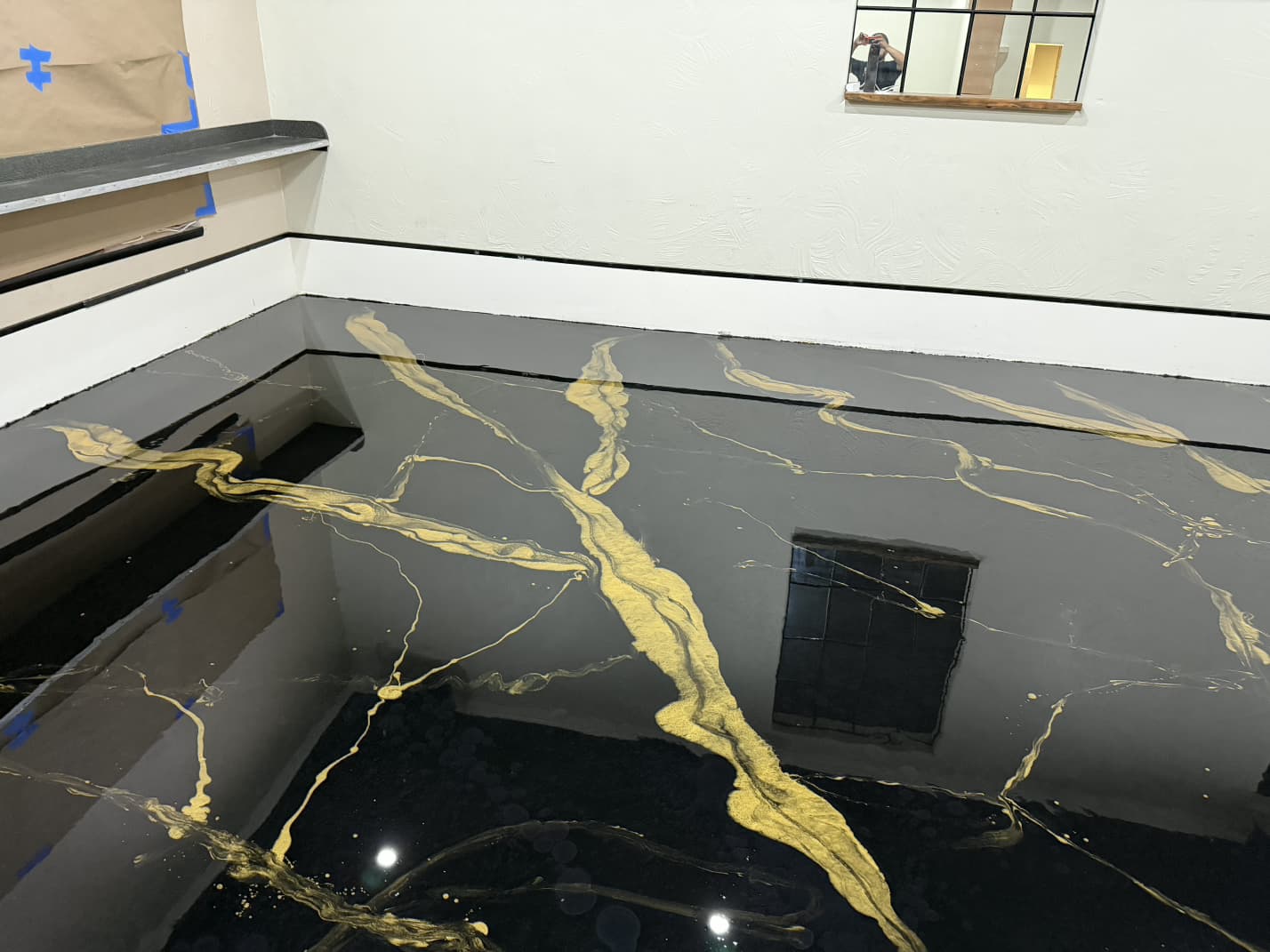
Property owners comparing epoxy flooring dallas or options can easily focus on the price per square foot, but that number rarely explains the whole project. Concrete condition, coating removal, crack repair, surface preparation, decorative finish, topcoat, and downtime can all affect the final cost. A better budget starts by understanding what the slab needs before deciding which system looks most attractive.
Two floors with the same area can require very different amounts of work. A clean garage slab may need straightforward grinding and coating, while an older commercial floor could contain adhesive, oil contamination, failed paint, or previous repairs that add preparation time.
Separate Preparation From the Finish
Preparation should be treated as its own part of the budget. Mechanical grinding, coating removal, dust control, edge work, crack repair, and patching can all influence labor and equipment requirements.
When comparing an epoxy floor coating dallas or project, ask what preparation is included in the quoted price. A proposal that looks inexpensive may exclude repairs or old-coating removal, while a higher quote may already account for those steps.
Knowing the difference makes price comparisons more meaningful.
Inspect the Slab Before Choosing a Decorative System
Decorative options should come after the concrete is evaluated. Cracks, pits, stains, sealers, and uneven sections may affect which finish will look best and how much preparation is needed.
A heavily repaired slab can still receive a resin system, but some decorative choices may hide visual variation better than others. Flake systems, for example, create a patterned surface that can make everyday dust and minor visual inconsistencies less noticeable.
The existing floor should guide the design rather than forcing the same finish onto every slab.
Decide How Much Decoration the Space Needs
Garages, retail rooms, basements, workshops, and showrooms do not need the same visual treatment. A practical work area may suit a restrained flake blend, while a customer-facing room may justify a more expressive finish.
Decorative upgrades can affect material quantities and labor. Full-broadcast flake, metallic effects, custom color combinations, or additional clear coats can change the project cost beyond the basic square-foot rate.
The design should therefore be selected with both appearance and budget in mind.
Include the Topcoat in the Comparison
The visible base color is only part of many resin flooring systems. The protective topcoat faces foot traffic, vehicles, abrasion, spills, and routine cleaning.
Different topcoats can provide different levels of sheen, UV stability, abrasion resistance, or chemical resistance. The correct choice depends on the environment rather than simply choosing the most expensive option.
Property owners should ask what final coat is included and why it suits the intended use.
Think About Downtime as a Real Cost
For a homeowner, downtime may mean parking outside or moving stored items temporarily. For a business, it can mean lost access to inventory, equipment, customers, or production areas.
Preparation, repairs, coating, curing, and return-to-service should all be included in the schedule. A faster system can sometimes reduce disruption, but speed should not come at the expense of proper preparation.
Commercial owners should consider whether phased installation could reduce operational impact.
Plan for Cleaning and Maintenance
A lower initial price can become less attractive if the finished floor is difficult to maintain. Texture, color, and the type of topcoat all influence cleaning.
A very rough surface may provide extra traction but hold more dirt. A dark, uniform finish may show dust differently from a flake blend. The best choice is one that fits the cleaning routine the property can realistically maintain.
Maintenance guidance should be discussed before installation so the owner knows what products and methods are appropriate.
Ask How Repairs Would Be Handled Later
Even a well-installed floor can eventually experience isolated damage from impact, movement, or changing use. Knowing how repairs can be completed helps owners understand long-term value.
Decorative systems may require color or flake matching, while solid finishes may need careful blending. Keeping records of the original system can make future maintenance easier.
Conclusion
An epoxy flooring budget should reflect the entire project, not just the coated area. Preparation, repairs, decorative choices, topcoat, downtime, maintenance, and future repairability all contribute to real cost.
By comparing proposals line by line and asking what each stage includes, property owners can avoid choosing solely on a low square-foot figure. A well-planned budget makes it easier to invest in the parts of the system that matter most for the slab, the space, and the way the floor will be used.