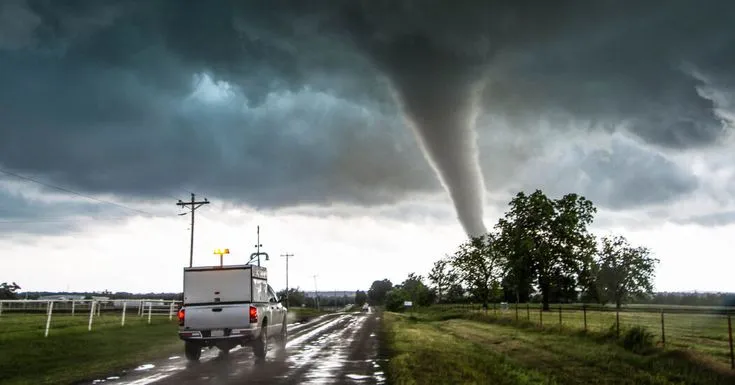
Technology is useful during travel, but it can also become a barrier between a traveler and the place they came to experience. A weather-focused journey makes this especially noticeable. Someone joining storm chasing tours USA 2027 may naturally want photographs, videos, location records, and updates from every stage of the trip. Yet constantly checking a phone can mean missing the scale, movement, sound, and atmosphere that make severe-weather travel distinctive.
A better approach is not to avoid technology but to use it deliberately. By deciding when to photograph, when to make notes, and when to simply observe, travelers can return home with useful records without experiencing the entire journey through a display.
Decide What You Actually Want to Capture
Taking photographs becomes more purposeful when travelers know what they want their collection to represent. Some may care about dramatic clouds, while others prefer landscapes, travel details, or the progression of an entire day.
Having a loose goal reduces the temptation to photograph every small change.
Instead of collecting hundreds of nearly identical frames, a traveler might capture a few images representing different stages of the journey. The resulting collection is easier to organize and often tells a clearer story.
Experience the Scale With Your Own Eyes
A phone screen compresses an enormous landscape into a small rectangle. That can make it difficult to appreciate just how much of the horizon a large thunderstorm occupies. Occasionally lowering the camera allows travelers to take in the complete view. They can notice cloud movement, distant precipitation, the surrounding countryside, and changes occurring outside the frame.
These wider impressions often become the memories that photographs later help bring back.
Use Travel Time for Something Other Than Scrolling
Longer periods on the road do not automatically need to become phone time. The Great Plains offer scenery that can change gradually across a day’s journey. Travelers might notice agricultural patterns, town skylines, cloud layers, or shifts in terrain simply by looking through the window.
For people considering tornado chasing 2027, these quieter observations can add depth to the trip because they reveal the region beyond its association with severe weather.
Create Short Technology-Free Windows
There is no need to put devices away for an entire day. Short periods can be enough. For example, travelers might choose to watch the sky without photographing for several minutes after arriving at a viewing location. Once they understand the scene, they can decide what is actually worth capturing.
This approach can improve photography as well. Observing first encourages more deliberate compositions instead of immediately taking pictures without considering the wider environment.
Separate Recording From Sharing
Taking a photograph and immediately posting it are two different activities. Trying to share everything in real time can divide attention when the surroundings deserve it more. Saving social updates until a quieter period allows travelers to remain present during the most interesting parts of the day.
A simple routine can help:
-
Capture a small number of meaningful photographs.
-
Make brief notes when useful.
-
Keep the phone available for practical needs.
-
Review images during genuine downtime.
-
Leave posting or extensive editing until later.
This keeps technology useful without allowing it to dominate the experience.
Notice What a Camera Cannot Preserve
Some aspects of storm travel cannot be captured effectively in a still image. The sound of thunder, movement across a field, changing temperature, the scale of an open horizon, and conversations during the journey are experienced rather than photographed. Paying attention to these details creates a fuller memory of the trip.
A short journal entry at the end of the day can preserve them better than another dozen photographs. Travelers might write down one sound, one landscape, and one unexpected moment they want to remember.
Give Photography a Clear Ending
When interesting weather continues into the evening, it is easy to keep taking photographs until the final minute. Setting the camera aside occasionally can provide a more satisfying end to the day. Watching changing evening skies without worrying about settings or storage allows travelers to absorb the scene differently.
The final memory does not always need to exist as a file. Sometimes remembering where you were and what the sky looked like is enough.
Conclusion
Technology can enhance a storm-chasing journey when it supports the experience rather than constantly interrupting it. Selective photography, limited screen time, delayed sharing, and simple personal notes allow travelers to preserve important moments while still paying attention to the landscapes, sounds, and changing atmosphere around them. Storm Chasing Adventure Tours can provide the setting for this more balanced style of travel, where digital memories complement the experience instead of replacing the value of seeing the Great Plains and its remarkable skies firsthand.