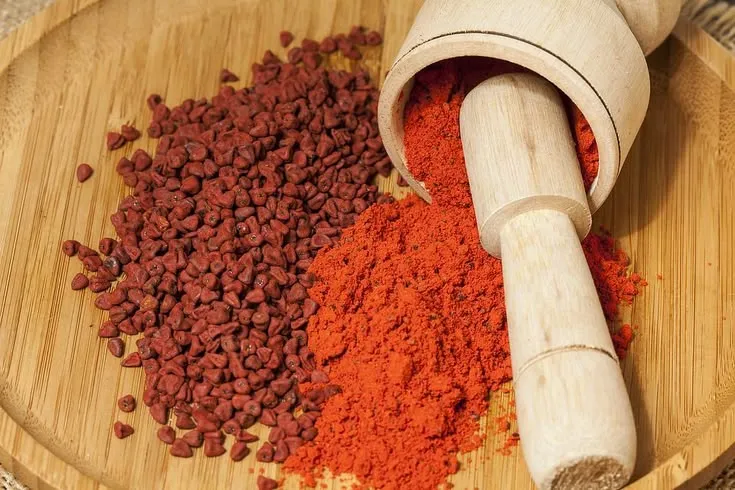
A food color powder can be convenient for storage, weighing, and dry blending, but the format changes how a developer should approach the recipe. FoodRGB offers natural colors in powder and liquid forms, with other systems available for specific applications. A powder may suit seasonings, bakery mixes, snack coatings, or products where accurate dry dosing matters. Before approving it, teams should check how quickly it disperses, whether pre-dissolving helps, and what happens after the full recipe goes through normal processing during repeated commercial production runs.
Solubility Comes First
A strong shade is not very useful if the color does not spread evenly through the food. Some powders are designed for water-based systems, while others may need a different preparation step. Developers should look at available water, fat content, mixing speed, and ingredient order before settling on a format. FoodRGB notes that natural color selection also depends on pH, processing temperature, light exposure, shelf life, and solubility. Those practical details usually tell a team more than comparing the appearance of dry powders in their containers.
Annatto Offers Options
Annatto shows why one natural source can need several formats. FoodRGB lists powder, liquid, oil, and custom annatto formulations, with bixin and norbixin as the main coloring pigments. Annatto Powder can provide yellow-to-orange tones while giving manufacturers a dry option for suitable production lines. Water-soluble and oil-soluble annatto systems are also available. A cheese, beverage, baked snack, and seasoning blend may therefore need different versions even when the development team is aiming for a similar warm shade without forcing the same format into every formula.
Heat Needs a Real Trial
FoodRGB describes annatto as heat-stable and suitable across a stated pH range of about 5.0 to 10.0. That makes it worth considering for products that face heating, including baked goods, snacks, dairy items, and processed foods. Still, a specification sheet cannot reproduce a production line. Oven temperature, holding time, moisture, and surrounding ingredients can change the finished appearance. Developers should compare samples before and after processing so they can see whether the selected powder keeps the intended shade under the conditions the product actually experiences.
Dry Blends Need Balance
Powdered color can be practical in a dry blend, but distribution has to be checked carefully. If pigment gathers in one area, the finished product may show dark spots or uneven shade. Depending on the formula, pre-blending the color with another dry ingredient may help it spread more evenly. The useful check comes after processing. Samples taken from different parts of a batch should look reasonably consistent once mixing, heating, cooling, coating, or seasoning is complete. That tells the team more than inspecting the powder inside the mixer.
More Is Not Always Better
When a trial looks too pale, adding more color is the obvious move, but it is not always the right one. The issue may come from dispersion, mixing order, physical format, or another ingredient in the formula. Small side-by-side batches can separate those possibilities without wasting much material. Sometimes a modest change in how the powder is introduced produces a cleaner result than increasing dosage. This matters at commercial scale, where unnecessary overuse can raise costs while leaving the original mixing or compatibility problem unsolved.
Storage Matters Twice
Powdered colors need suitable storage before use, with attention to moisture, heat, light and properly closed containers. Good handling helps keep the ingredient consistent from one batch to another. The finished food needs its own storage checks as well. Packaging, oxygen, temperature, and retail lighting can all affect appearance over time. A clear package creates a different environment from an opaque one. Manufacturers should therefore review both ingredient handling and finished-product shelf tests instead of assuming that a shade which looks right during production will stay unchanged later.
Conclusion
Powdered natural colors can make production practical, but successful use depends on more than weighing a dose into the mixer. Solubility, pH, heat, dispersion, storage, and batch size all influence the final appearance. Annatto is a useful example because the same source is available in several forms for different applications. Manufacturers can use foodrgb.com to review natural color options and technical support. Careful trials make it easier to choose a powder that fits existing equipment, survives processing, and gives repeatable color from one production run to another.