A well-planned wardrobe is not only about what people see on the outside. The garments worn at home, under dresses, and beneath traditional outfits can influence comfort just as much as outerwear. When comparing nightwear for women india, it helps to think about fabric, fit, season, and sleeping habits rather than choosing only by colour or print. The same practical approach can make other close-fitting wardrobe essentials easier to select.
Make Sleep Comfort the Priority
Nightwear should allow the body to move naturally while sitting, stretching, and sleeping. Very tight waistbands, restrictive sleeves, or fabrics that feel heavy can become uncomfortable during a long night.
Relaxed pyjama sets, shorts, night dresses, and similar styles can suit different preferences. The best option depends on room temperature, sleeping position, and how much coverage feels comfortable. A garment that works well during cooler months may feel too warm during summer, so keeping more than one fabric or length can be useful.
Choose Fabric for the Season
India’s climate varies widely, but warm and humid conditions are common in many regions. Lightweight, breathable fabrics can feel more comfortable during hot nights, while slightly heavier materials may suit air-conditioned rooms or cooler seasons.
Softness matters because nightwear stays against the skin for several hours. Stretch can also help if the wearer moves frequently during sleep. Instead of assuming one fabric is suitable throughout the year, it is practical to rotate nightwear according to weather and personal comfort.
Keep Fit Relaxed but Practical
Loose does not have to mean oversized. Nightwear should provide enough room for movement without creating so much extra fabric that it twists, bunches, or becomes difficult to sleep in.
Check waist, hip, and bust measurements where relevant, especially when buying fitted pyjama bottoms or coordinated sets. Elastic waistbands should feel secure without pressing into the skin. For tops, shoulder and arm movement should remain easy.
Understand What Shapewear Is Designed to Do
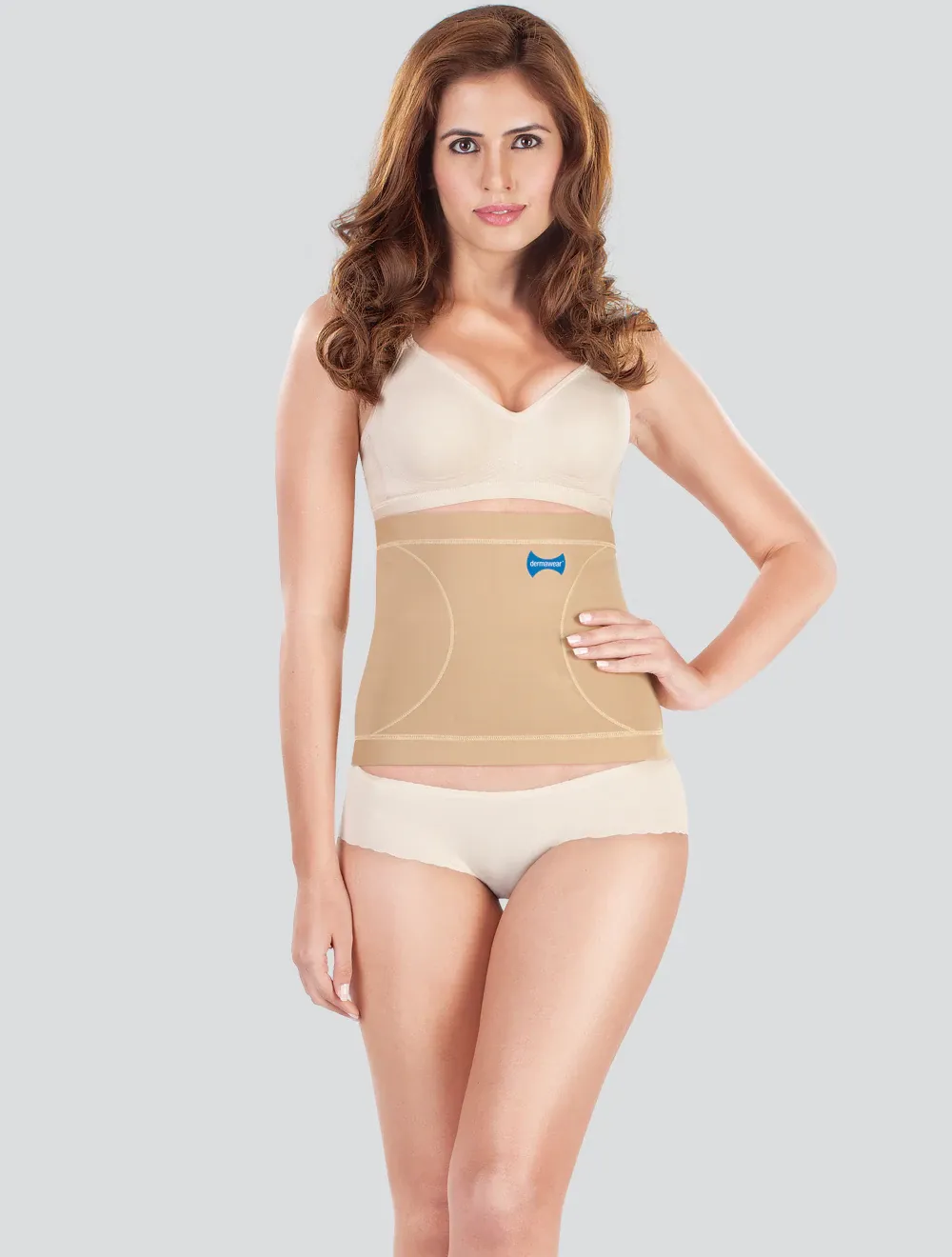
Daytime dressing sometimes requires a completely different type of base layer. Women considering shapewear for women india should choose according to the outfit and the area where temporary smoothing or support is desired.
Shapewear can include high-waist pieces, tummy-focused designs, saree shapewear, shorts, and fuller body styles. These garments use stretch and compression to create a smoother appearance under clothing. They should not be viewed as products that permanently change body shape or replace healthy lifestyle habits.
Match Compression to the Occasion
More compression is not automatically better. Light or moderate shaping may be enough under everyday dresses, office clothing, or occasion wear, while firmer styles can feel more structured.
The correct level should still allow normal breathing, sitting, and movement. If a garment rolls, pinches, causes discomfort, or feels difficult to wear for an ordinary period of time, the size or compression level may not be suitable.
Choose the Shapewear for the Outfit
Different outfits create different needs. Saree shapewear is designed around traditional draping, while high-waist or tummy-control pieces may work under dresses, skirts, or trousers. Full-body styles cover a larger area but can be unnecessary when only one section needs smoothing.
Think about neckline, hemline, fabric thickness, and how fitted the outer garment is. A shapewear piece should remain discreet rather than becoming visible at the edges or creating new lines under clothing.
Avoid Using One Size for Every Category
Sizing should be checked separately for nightwear and shapewear. A relaxed night suit is expected to fit differently from a compression garment, so using the same size assumption for both can lead to poor choices.
For shapewear in particular, sizing down intentionally can create excessive pressure without improving the overall look. Current body measurements and the product-specific size guide are more reliable than choosing a smaller size for stronger compression.
Care for Each Garment Correctly
Nightwear and shapewear also have different care needs. Frequent washing can gradually affect elastic, stretch fibres, and fabric softness, so following the garment care label is worthwhile.
Shapewear may require gentler handling to protect its elasticity, while everyday nightwear should be washed often enough to remain fresh and comfortable. Proper drying is equally important, especially for stretch-based garments.
Conclusion
Comfort changes according to the time of day and the clothes being worn. Nightwear should prioritise softness, movement, and temperature, while shapewear should be selected for suitable compression, fit, and compatibility with the outer outfit. Treating these categories as separate wardrobe tools makes shopping more practical. By paying attention to fabric, sizing, construction, and intended use, women can choose pieces that serve a clear purpose without sacrificing comfort.